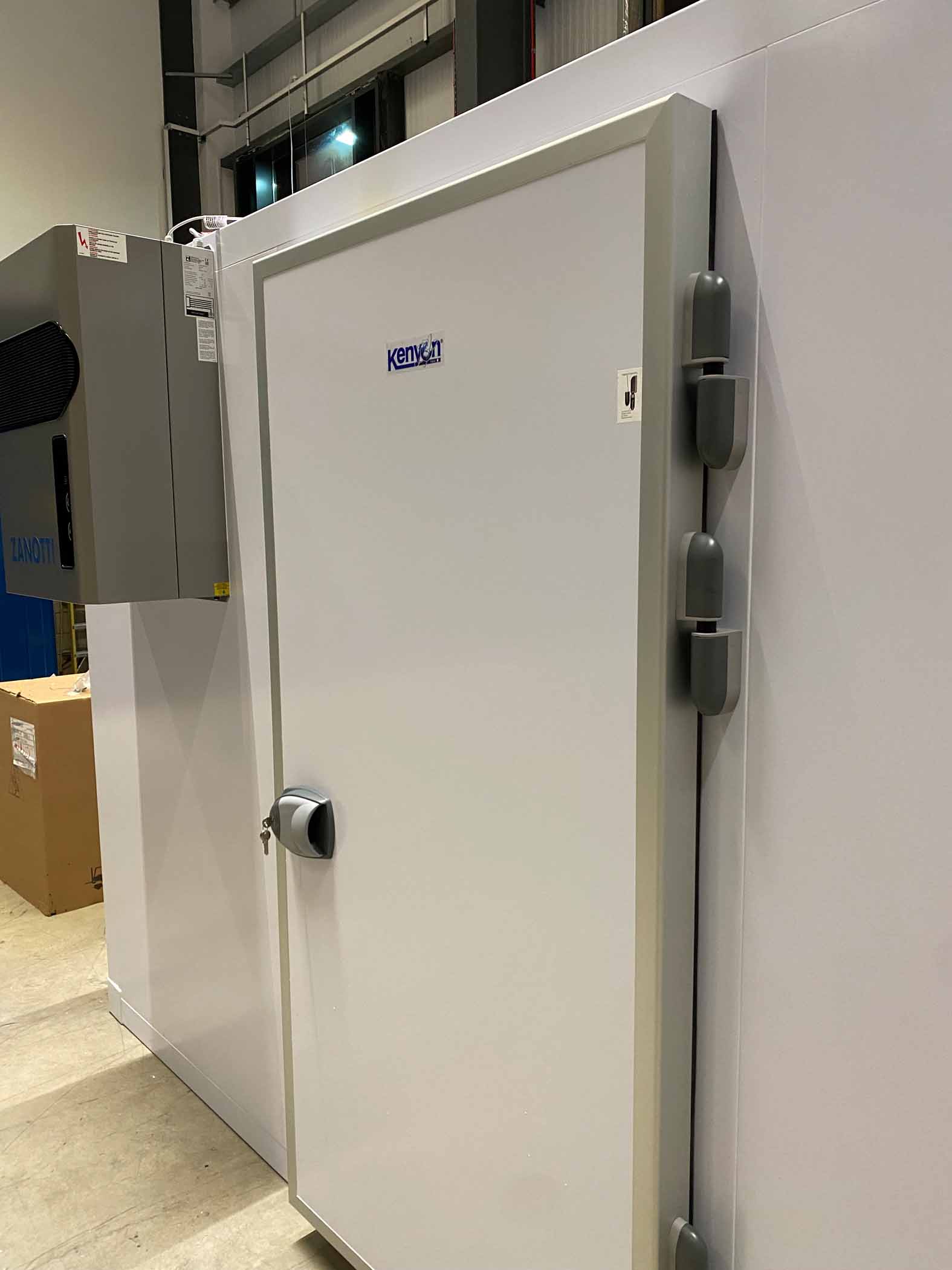


When it comes to setting up a cold room for your business, whether it’s for food storage, pharmaceuticals, or any other temperature-sensitive products, there are several factors you need to consider to ensure optimal performance and efficiency. A well-planned cold room will not only safeguard the quality of your products but also help you save on energy costs and improve overall operational efficiency.
Here are the key things to consider when setting up a cold room:

Purpose and Temperature Requirements
The first step in designing a cold room is determining its intended use. Different products require different temperature ranges, so knowing what you plan to store is crucial. For example:
- Food storage: May require temperatures ranging from 0°C for chilled products to -18°C for frozen foods.
- Pharmaceuticals: Often require precise temperature control, typically between 2°C and 8°C for many vaccines and medicines.
- Flowers or plants: Typically need a temperature range of 5°C to 15°C to maintain freshness.
Identifying these specific needs will guide the selection of equipment, insulation materials, and overall cold room design.
Size and Layout
The size of your cold room depends on the volume of goods you plan to store. Be sure to:
- Account for future growth: Consider whether you’ll need extra space as your business expands.
- Optimise storage layout: A well-organised layout, with enough space for air circulation and easy access to products, can make a huge difference. Shelving, racks, and pallets should be planned to maximise the use of space.
Insulation
Effective insulation is one of the most important aspects of a cold room. The right insulation ensures the room stays at the desired temperature and minimises energy waste. Consider the following:
- Material: Popular insulation materials include polyurethane and PIR (Polyisocyanurate). Choose one based on the required insulation value (R-value) for your cold room’s size and temperature demands.
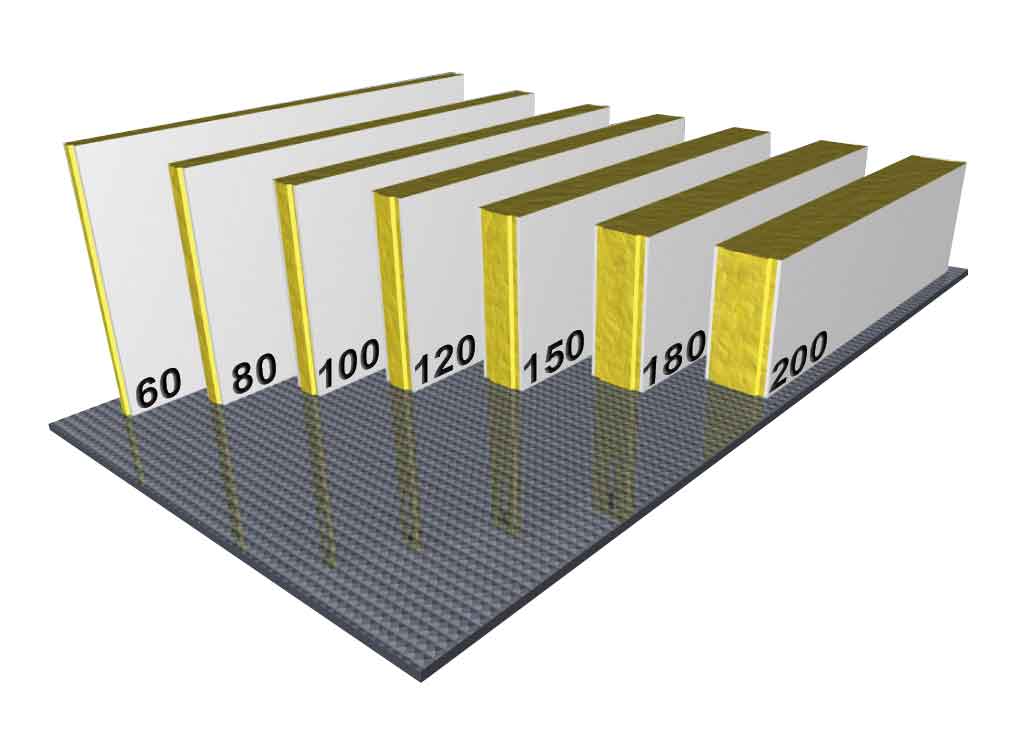
- Thickness: The thickness of insulation is also key. Thicker insulation helps maintain stable internal temperatures and reduces energy consumption, though it may take up more space.
Refrigeration System
Choosing the right refrigeration system for your cold room is vital for maintaining the correct temperature and ensuring energy efficiency. Here are some important factors to consider:
- Type of system: Cold rooms can be equipped with a central refrigeration unit, remote refrigeration, or self-contained units. Each option has its own pros and cons depending on your space and requirements.
- Capacity and energy efficiency: The system should be adequately sized for the volume of products stored. A unit that’s too small will struggle to maintain temperature, while an oversized unit will waste energy.
- Maintenance: Regular maintenance of your refrigeration system is essential to avoid costly breakdowns and ensure longevity.
Airflow and Temperature Distribution
Proper airflow is essential for maintaining consistent temperatures throughout the cold room. Poor airflow can lead to temperature fluctuations and reduce the lifespan of your refrigeration equipment. Ensure:
- Even temperature distribution: Make sure the refrigeration system is designed to provide uniform cooling throughout the entire room, avoiding hot spots.
- Air circulation: Using fans or an air distribution system can help maintain even airflow.
Lighting and Access
The cold room should be easy to access and have sufficient lighting for workers. Consider the following:
- Lighting: LED lighting is ideal because it produces minimal heat and uses less energy. Make sure the lighting is designed for use in cold environments to avoid any safety hazards.
- Access: Choose doors and entrances that are large enough for easy movement of goods. Consider automatic or insulated doors that minimise heat gain when opened.
Energy Efficiency
Cold rooms are often high-energy consumers. Here are a few tips to make your cold room more energy-efficient:
- Insulate walls, floors, and ceilings properly to prevent cold air from escaping and warm air from entering.
- Use energy-efficient refrigeration systems that offer better performance with less power consumption.
- Install door seals and curtains to prevent air leakage when the door is opened.
Compliance with Regulations
Depending on your industry, there may be local regulations that govern the operation of cold rooms, especially in food or pharmaceutical storage. Always ensure your cold room complies with:
- Health and safety regulations for food storage or pharmaceuticals.
- Building codes and environmental regulations.
- Temperature monitoring and record-keeping: For food safety and compliance, you may need to install temperature monitoring systems that log data for regulatory purposes.
Safety Features
When working with cold environments, safety is a critical consideration. Ensure your cold room has the following safety features:
- Emergency exit access: Make sure there is an emergency exit in case someone is locked in.
- Warning systems: Temperature alarms and sensors can help you monitor potential issues like refrigeration failures or unsafe temperature fluctuations.
- Adequate ventilation: This helps maintain air quality, especially if any gases or fumes are used in the refrigeration system.
Cost and Budget
Setting up a cold room can be a significant investment, so it’s important to have a clear understanding of the costs involved:
- Initial setup costs: Include the price of insulation, refrigeration units, doors, shelving, and lighting.
- Ongoing costs: Factor in energy consumption, maintenance, and potential repairs into your budget.
- Long-term ROI: Consider the long-term savings from an energy-efficient setup and the value of protecting your products.
Conclusion
Setting up a cold room involves more than just putting in a refrigeration unit. Careful consideration of temperature needs, insulation, airflow, and energy efficiency will ensure your cold room operates effectively and meets regulatory standards. By taking the time to plan out each aspect of the setup, you’ll not only improve product quality and reduce wastage but also enhance the overall efficiency of your operation.
If you’re ready to install a cold room or upgrade your existing system, reach out to our team at WJ Kenyon Modular Coldrooms for expert advice and support tailored to your business’s needs.

Warehouse Cold Room
Bespoke Coldroom Installation Kenyon were commissioned to design and build a large 30,000 foot bespoke Cold Room Chiller running at -2/0C. Our Technicians designed and [...]
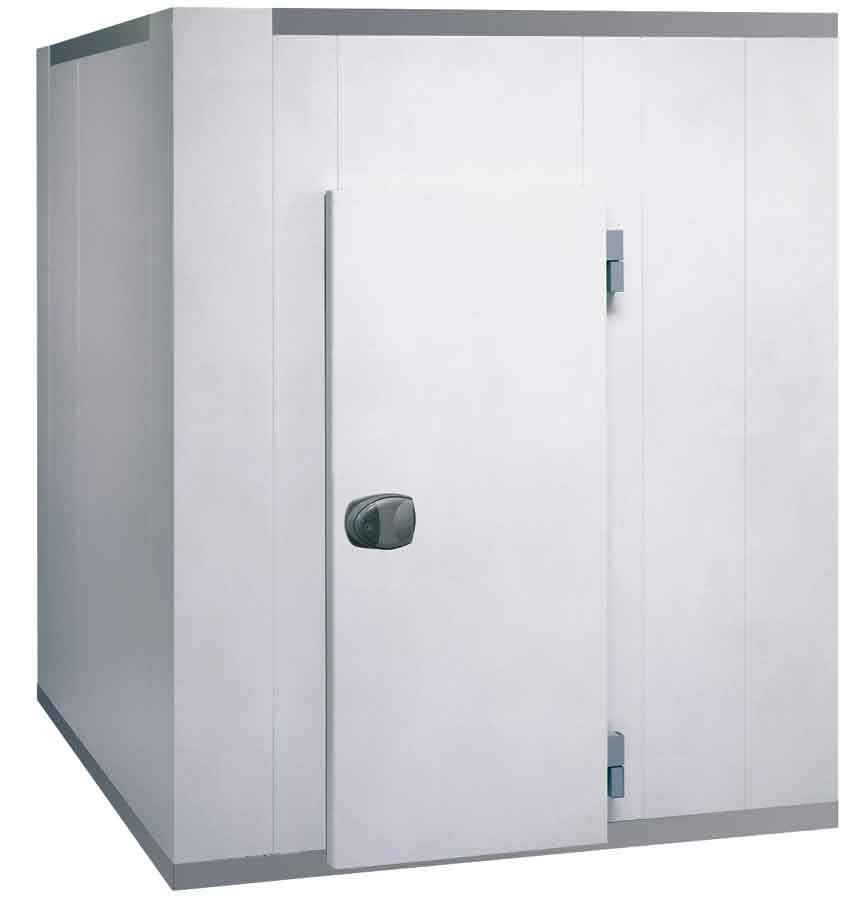
Medio Room Modular Coldroom
The MEDIO ROOM modular coldrooms are ideal for restaurants, hotels, canteens, hospitals, chemistry and pharmaceutical laboratories. MEDIO ROOM modular coldrooms are designed to fulfill the cold storage [...]

Piccolo Room Modular Cold room
The PICCOLO ROOM modular cold room range The PICCOLO ROOM modular cold room range is realised in 28 dimensions and for 2 heights with 2 [...]
Grosso Room Modular Cold Room
Ideal industrial cold rooms for: supermarkets, warehouses for foodstuff and for fruit and vegetable, storehouses for frozen products, maturing storehouses, slaughterhouses, dairy industries etc. GROSSO ROOM [...]

Grande Room Modular Coldroom
Ideal Cold Storage solution for: supermarkets, warehouses for foodstuff and for fruit and vegetable, storehouses for frozen products, workrooms for ice-cream and confectionery, slaughterhouses, dairy [...]
- Purpose and Temperature Requirements
The first step in designing a cold room is determining its intended use. Different products require different temperature ranges, so knowing what you plan to store is crucial. For example:
- Food storage: May require temperatures ranging from 0°C for chilled products to -18°C for frozen foods.
- Pharmaceuticals: Often require precise temperature control, typically between 2°C and 8°C for many vaccines and medicines.
- Flowers or plants: Typically need a temperature range of 5°C to 15°C to maintain freshness.
Identifying these specific needs will guide the selection of equipment, insulation materials, and overall cold room design.
- Size and Layout
The size of your cold room depends on the volume of goods you plan to store. Be sure to:
- Account for future growth: Consider whether you’ll need extra space as your business expands.
- Optimise storage layout: A well-organised layout, with enough space for air circulation and easy access to products, can make a huge difference. Shelving, racks, and pallets should be planned to maximise the use of space.
- Insulation
Effective insulation is one of the most important aspects of a cold room. The right insulation ensures the room stays at the desired temperature and minimises energy waste. Consider the following:
- Material: Popular insulation materials include polyurethane and PIR (Polyisocyanurate). Choose one based on the required insulation value (R-value) for your cold room’s size and temperature demands.
- Thickness: The thickness of insulation is also key. Thicker insulation helps maintain stable internal temperatures and reduces energy consumption, though it may take up more space.
- Refrigeration System
Choosing the right refrigeration system for your cold room is vital for maintaining the correct temperature and ensuring energy efficiency. Here are some important factors to consider:
- Type of system: Cold rooms can be equipped with a central refrigeration unit, remote refrigeration, or self-contained units. Each option has its own pros and cons depending on your space and requirements.
- Capacity and energy efficiency: The system should be adequately sized for the volume of products stored. A unit that’s too small will struggle to maintain temperature, while an oversized unit will waste energy.
- Maintenance: Regular maintenance of your refrigeration system is essential to avoid costly breakdowns and ensure longevity.
- Airflow and Temperature Distribution
Proper airflow is essential for maintaining consistent temperatures throughout the cold room. Poor airflow can lead to temperature fluctuations and reduce the lifespan of your refrigeration equipment. Ensure:
- Even temperature distribution: Make sure the refrigeration system is designed to provide uniform cooling throughout the entire room, avoiding hot spots.
- Air circulation: Using fans or an air distribution system can help maintain even airflow.
- Lighting and Access
The cold room should be easy to access and have sufficient lighting for workers. Consider the following:
- Lighting: LED lighting is ideal because it produces minimal heat and uses less energy. Make sure the lighting is designed for use in cold environments to avoid any safety hazards.
- Access: Choose doors and entrances that are large enough for easy movement of goods. Consider automatic or insulated doors that minimise heat gain when opened.
- Energy Efficiency
Cold rooms are often high-energy consumers. Here are a few tips to make your cold room more energy-efficient:
- Insulate walls, floors, and ceilings properly to prevent cold air from escaping and warm air from entering.
- Use energy-efficient refrigeration systems that offer better performance with less power consumption.
- Install door seals and curtains to prevent air leakage when the door is opened.
- Compliance with Regulations
Depending on your industry, there may be local regulations that govern the operation of cold rooms, especially in food or pharmaceutical storage. Always ensure your cold room complies with:
- Health and safety regulations for food storage or pharmaceuticals.
- Building codes and environmental regulations.
- Temperature monitoring and record-keeping: For food safety and compliance, you may need to install temperature monitoring systems that log data for regulatory purposes.
- Safety Features
When working with cold environments, safety is a critical consideration. Ensure your cold room has the following safety features:
- Emergency exit access: Make sure there is an emergency exit in case someone is locked in.
- Warning systems: Temperature alarms and sensors can help you monitor potential issues like refrigeration failures or unsafe temperature fluctuations.
- Adequate ventilation: This helps maintain air quality, especially if any gases or fumes are used in the refrigeration system.
- Cost and Budget
Setting up a cold room can be a significant investment, so it’s important to have a clear understanding of the costs involved:
- Initial setup costs: Include the price of insulation, refrigeration units, doors, shelving, and lighting.
- Ongoing costs: Factor in energy consumption, maintenance, and potential repairs into your budget.
- Long-term ROI: Consider the long-term savings from an energy-efficient setup and the value of protecting your products.
Conclusion
Setting up a cold room involves more than just putting in a refrigeration unit. Careful consideration of temperature needs, insulation, airflow, and energy efficiency will ensure your cold room operates effectively and meets regulatory standards. By taking the time to plan out each aspect of the setup, you’ll not only improve product quality and reduce wastage but also enhance the overall efficiency of your operation.
If you’re ready to install a cold room or upgrade your existing system, reach out to our team at Kenyon for expert advice and support tailored to your business’s needs.